
Ready to Launch Your NFT? Master These Marketing Moves
Launching a successful NFT project requires more than just great art. You need effective NFT marketing strategies. This listicle provides seven proven tactics to boost your project's visibility and drive sales. Learn how influencer marketing, community building, utility-driven approaches, and other key NFT marketing strategies can help you achieve your goals in 2025 and beyond. Find your perfect Web3 marketing role on Find Web3 and put these strategies into action.
1. Influencer and Celebrity Partnerships
Influencer and celebrity partnerships are a powerful NFT marketing strategy that leverages the existing audience and credibility of established figures to promote NFT collections. This method involves collaborating with high-profile individuals, including celebrities, content creators, and key influencers within the NFT space, to generate buzz, drive awareness, and ultimately increase sales. These partnerships typically involve endorsements, social media promotion across multiple platforms, and often involve the celebrity or influencer actively participating in the NFT project itself. By associating your NFT collection with a recognizable face, you tap into their established fan base and gain instant visibility, effectively fast-tracking your project into the public consciousness. This strategy can be particularly effective in a rapidly evolving and often confusing landscape like the NFT market, where trust and credibility are paramount.

The core mechanics of this strategy revolve around credibility transfer and audience reach. Celebrities and influencers bring a pre-built audience and a level of trust with their followers. When they endorse an NFT project, their followers are more likely to consider it legitimate and worthy of attention, leading to higher conversion rates. This cross-audience exposure introduces your NFTs to a much broader demographic than you could likely reach through traditional marketing efforts. The endorsement itself can range from simple social media posts showcasing the NFT to more involved collaborations where the celebrity actively participates in the creative process or holds exclusive giveaways for their followers. This approach has been instrumental in driving mainstream adoption of NFTs and making them accessible to a wider audience.
Numerous examples demonstrate the effectiveness of influencer and celebrity partnerships in the NFT space. Snoop Dogg, a long-time advocate for NFTs, has collaborated with various artists and platforms, further solidifying his position as a prominent figure in the metaverse. Paris Hilton has actively promoted her own NFT collections and has become a vocal supporter of women in NFTs. Eminem's purchase and subsequent promotion of a Bored Ape Yacht Club NFT brought significant attention to the project. Jimmy Fallon showcasing NFTs on The Tonight Show exposed millions of viewers to the concept, and Logan Paul's CryptoZoo project, despite controversies, highlights the immense potential of influencer-driven NFT projects. These examples showcase the wide range of involvement celebrities and influencers can have in the NFT space and the potential impact on project visibility.
When considering influencer and celebrity partnerships, choosing influencers whose audience aligns with your target market is crucial. A celebrity with a massive following may not be as effective as a micro-influencer with a highly engaged niche audience if the latter aligns better with your NFT project's focus. Ensure full transparency and proper disclosure of any paid partnerships to maintain authenticity and build trust. Craft authentic collaboration stories that go beyond simple endorsements. Instead of just having a celebrity post about your NFT, integrate them into the narrative of your project. Perhaps they could contribute to the artwork, participate in community events, or offer unique experiences to holders of their endorsed NFTs. Negotiating long-term partnerships rather than one-off posts can foster deeper engagement and a more sustainable marketing strategy.
This strategy is particularly effective when launching a new NFT project or trying to revitalize an existing one. The initial buzz generated by a celebrity endorsement can be invaluable in attracting early adopters and setting the stage for future growth. However, it's essential to be aware of the potential downsides. The costs associated with top-tier celebrities can be substantial, and there's always the risk of negative association if the celebrity's reputation suffers. Over-reliance on celebrity endorsements can also make a project appear inauthentic, and the effectiveness of the strategy depends heavily on the celebrity's continued support. Finally, regulatory scrutiny around paid promotions requires careful navigation to ensure compliance.
Despite the potential drawbacks, the benefits of influencer and celebrity partnerships are hard to ignore. This strategy deserves its place in the top NFT marketing strategies because of its potential for massive reach, instant credibility, access to diverse audiences, and the possibility of viral content creation. By implementing this strategy thoughtfully and strategically, NFT projects can leverage the power of celebrity influence to gain a significant edge in the competitive NFT market.
2. Community Building and Discord Engagement
In the dynamic world of NFT marketing, community building stands as a cornerstone of successful projects. It's no longer enough to simply create and list NFTs; fostering a dedicated and engaged community is crucial for long-term success. This strategy centers around creating vibrant hubs, primarily on platforms like Discord, Telegram, and specialized forums, where NFT enthusiasts can connect, exchange ideas, and build relationships. This cultivates a loyal fanbase invested in the project's journey and organically promotes it as brand ambassadors.
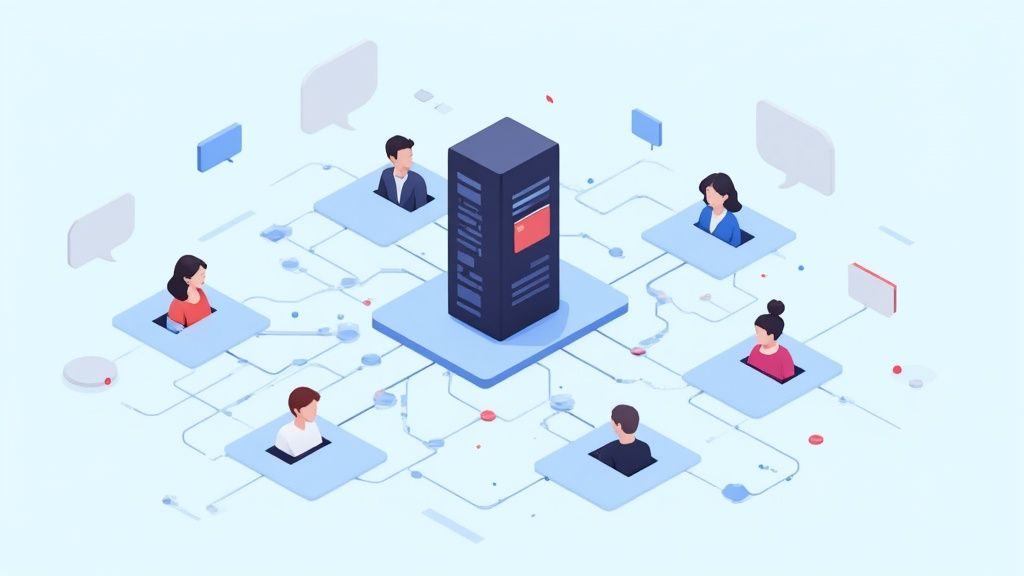
This approach prioritizes genuine interaction and shared passion, transforming passive holders into active participants. Dedicated Discord servers, featuring multiple channels categorized by topic, provide organized spaces for discussions, announcements, and community events. These events, ranging from AMAs with the creators to exclusive contests and giveaways, foster a sense of belonging and excitement. Moreover, offering exclusive access to new releases, merchandise, or behind-the-scenes content further incentivizes community membership and strengthens the bond between the project and its supporters. Encouraging user-generated content, such as fan art or creative writing based on the NFT project, amplifies organic engagement and builds a sense of shared ownership. Some projects even incorporate community governance models, allowing members to participate in decision-making processes, further solidifying their investment in the project’s future.
Successful examples abound in the NFT space. Bored Ape Yacht Club (BAYC) is renowned for its exclusive member benefits, including access to real-world events and merchandise. Azuki has cultivated a strong community around its distinctive art style and cultural identity. Cool Cats NFT has built a thriving interactive Discord community. World of Women champions supportive community initiatives, while Doodles exemplifies a community-driven governance model. These projects highlight the power of community building in driving NFT project success. They've demonstrated that building a strong community is not just a marketing tactic, but a crucial component of the project itself.
The benefits of this approach are numerous. Strong brand loyalty and retention are natural outcomes of a thriving community, leading to organic word-of-mouth marketing. Direct feedback from the target audience provides invaluable insights for project development and refinement. This close interaction fosters a higher lifetime value of customers compared to transactional, one-off sales. Ultimately, community building lays the foundation for sustainable long-term growth.
However, this strategy also presents challenges. Community management is time-intensive, requiring consistent engagement and content creation. Scaling personalized interactions as the community grows can be difficult. Negative sentiment, if not addressed effectively, can spread rapidly within a tightly knit community. Moderation is crucial, requiring resources and careful management to maintain a positive and productive environment.
For aspiring NFT project creators and marketers, here are some actionable tips: hire dedicated community managers to nurture and moderate the community effectively, create clear community guidelines and enforce them consistently to ensure a positive environment, offer exclusive perks and early access to community members to reward loyalty and incentivize participation, host regular AMAs and community events to foster engagement and provide direct interaction, and encourage user-generated content with rewards to amplify organic promotion and build a sense of shared ownership.
Learn more about Community Building and Discord Engagement
This approach is particularly valuable for projects seeking to build a long-term brand and foster a loyal following. While it requires dedicated resources and consistent effort, the rewards in terms of organic growth, brand advocacy, and sustainable success are substantial. This makes community building and Discord engagement not just a valuable strategy, but an essential component of a comprehensive NFT marketing plan. This is why it deserves a prominent place in any list of effective NFT marketing strategies. Understanding the dynamics of community building and utilizing platforms like Discord effectively can be the differentiating factor between a fleeting trend and a lasting, impactful NFT project.
3. Utility-Based Marketing
In the ever-evolving landscape of NFT marketing, utility-based marketing has emerged as a powerful strategy that transcends the hype and focuses on delivering tangible value to NFT holders. Unlike approaches that rely solely on speculative value and scarcity, utility-based marketing emphasizes the practical applications and real-world benefits of owning an NFT. This approach moves beyond the perception of NFTs as mere digital collectibles and positions them as functional assets with diverse applications. It centers around the concept of providing holders with exclusive access, privileges, and opportunities, fostering a stronger sense of community and long-term engagement.
This strategy leverages the unique capabilities of NFTs to unlock various benefits, such as access to exclusive events, premium content, membership privileges within online communities, integration with other platforms and services, gaming advantages, and even staking mechanisms to earn rewards. This creates a dynamic ecosystem where the value of an NFT is directly tied to its utility and the ongoing benefits it provides to its holder. This model resonates particularly well with users seeking tangible value and functionality, moving beyond the purely speculative aspects often associated with the NFT market.
Several successful projects exemplify the effectiveness of utility-based marketing. NBA Top Shot brought sports collectibles to life by integrating them with interactive game experiences. Adidas Originals ventured into the metaverse by offering NFTs that grant access to exclusive physical merchandise and digital wearables. VeeFriends, brainchild of Gary Vaynerchuk, provides NFT holders with access to exclusive conferences and networking events. Axie Infinity revolutionized the gaming industry with its play-to-earn model, enabling players to earn cryptocurrency through gameplay. Finally, Ethereum Name Service (ENS) domains demonstrate the utility of NFTs for decentralized web identity, offering a human-readable alternative to complex cryptocurrency wallet addresses.
For those looking to implement utility-based marketing, several key tips can contribute to success. First and foremost, clearly communicate the utility value proposition to potential buyers. Transparency and clarity are crucial for building trust and attracting the right audience. Ensure that the promised utility is consistently delivered and aligns with expectations. Partnering with established platforms and services can expand the reach and functionality of your NFTs. Develop and share a clear roadmap outlining future utility developments to demonstrate a long-term commitment to the project and provide holders with a sense of direction. Lastly, focus on utilities that address real-world problems or offer tangible solutions, enhancing the practical value of your NFTs.
Utility-based marketing is particularly effective when targeting users who are interested in the functional aspects of NFTs and seek long-term engagement. This approach is ideal for projects that aim to build sustainable communities and ecosystems around their NFTs. While this strategy can involve higher development and maintenance costs, along with the need for ongoing utility delivery and potential regulatory challenges, the benefits in terms of holder retention, increased engagement, and the creation of multiple revenue streams often outweigh the complexities. It is a crucial consideration for projects that prioritize long-term value creation and seek to move beyond the speculative aspects of the NFT market. The potential for integration with existing platforms and services offers significant opportunities for growth and expansion, though it also introduces dependencies that require careful management.
This strategy deserves its place in the top NFT marketing strategies because it fosters a sustainable model for long-term growth. It shifts the focus from short-term hype to long-term value creation, attracting a loyal community of users who appreciate the ongoing benefits and utility provided by their NFTs. By aligning the value of an NFT with its utility, projects can build stronger, more engaged communities and create a more sustainable future for their digital assets. This focus on tangible benefits and real-world applications has the potential to reshape the NFT landscape, driving adoption beyond the realm of speculation and into a future where NFTs are integral components of various industries and platforms.
4. Social Media and Content Marketing
Social media and content marketing are cornerstones of any successful NFT marketing strategy. This approach leverages the power of various social media platforms to build brand awareness, engage communities, and ultimately drive sales. It involves creating and distributing compelling content, sharing stories, and interacting directly with your target audience. This strategy recognizes that NFTs are not just digital assets; they represent communities, identities, and shared experiences. Therefore, fostering these connections through engaging content is paramount. By consistently delivering valuable and entertaining content, projects can cultivate a loyal following and establish a strong brand presence in the competitive NFT space. This method focuses on building organic reach and fostering genuine connections with potential collectors and enthusiasts.
This strategy encompasses several key features: multi-platform content distribution (ensuring your message reaches the right audience on their preferred platforms), visual storytelling and artwork showcases (highlighting the aesthetic appeal of your NFTs), educational content about NFTs and blockchain (empowering potential buyers with knowledge), behind-the-scenes creator content (humanizing the project and building trust), and interactive polls and community engagement (fostering a sense of belonging and ownership).
Successful NFT projects have demonstrated the effectiveness of this approach. Pudgy Penguins leveraged Twitter engagement and meme culture to build a massive, organically-grown community. Art Blocks utilizes educational content to explain the intricacies of generative art and its value proposition. OpenSea, the leading NFT marketplace, maintains a strong presence across various platforms to promote both its platform and the broader NFT ecosystem. Moonbirds built anticipation and intrigue through storytelling and lore development, weaving a narrative around their collection. DeGods exemplifies the power of community-driven social media, fostering a highly engaged and loyal following.
This multifaceted approach offers several distinct advantages. It's a cost-effective marketing method compared to traditional advertising, offering direct communication with your target audience and high potential for viral content. It allows you to build brand personality and trust, establishing a unique identity in the crowded NFT marketplace. Furthermore, social media engagement provides measurable metrics, enabling data-driven optimization of your content strategy.
However, social media and content marketing also present challenges. It requires consistent content creation, which can be resource-intensive. Algorithm changes can impact organic reach, and social media management can be time-consuming. There are also platform dependency risks and the inherent difficulty of standing out in crowded feeds.
To maximize the effectiveness of your social media and content marketing efforts, consider these actionable tips: Maintain consistent posting schedules to keep your audience engaged. Utilize platform-specific content formats to optimize for each platform's unique characteristics. Engage authentically with comments and mentions to build relationships. Share user-generated content and community highlights to foster a sense of belonging. Finally, track analytics to optimize content performance and refine your strategy based on data-driven insights.
When and why should you use this approach? Social media and content marketing are essential for any NFT project looking to build a strong brand, engage a community, and drive organic growth. It's particularly relevant for projects targeting a digitally native audience familiar with social media platforms and actively engaged in online communities. Whether you're launching a new collection, building hype around an upcoming drop, or fostering long-term community engagement, social media and content marketing are indispensable tools. Learn more about Social Media and Content Marketing Projects like Pudgy Penguins, Art Blocks, OpenSea, PROOF Collective, and the DeGods community have effectively demonstrated the power of this strategy in achieving NFT marketing success. This approach rightfully earns its place among the top NFT marketing strategies because it fosters organic growth, builds lasting relationships, and ultimately drives value for both the project and its community.
5. Exclusivity and Scarcity Marketing
Exclusivity and scarcity marketing is a potent strategy within the NFT space, leveraging the principles of supply and demand to drive desirability and perceived value. This approach centers around artificially limiting the availability of NFTs, creating a sense of urgency and exclusivity that encourages rapid purchasing decisions. It taps into the powerful psychological principle of FOMO (Fear of Missing Out), motivating collectors to acquire NFTs before they become unattainable. This strategy deserves its place on the list of top NFT marketing strategies because it directly impacts the bottom line, generating buzz and driving sales, especially in the initial stages of a project.
This method works by creating a tiered system of access and ownership. Several mechanisms are commonly employed:
- Limited Supply and Numbered Editions: Restricting the total number of NFTs available, often with individually numbered editions, creates a sense of rarity and collectability. Think of it like a limited-edition print run in the traditional art world.
- Whitelist and Allowlist Systems: These systems grant pre-approved individuals early access to mint NFTs, often at a discounted price. This rewards early community members and creates a sense of exclusivity.
- Tiered Access Levels: Different tiers of NFTs can be offered, with higher tiers granting greater utility, access, or benefits. This can range from exclusive Discord channels and merchandise to real-world events and experiences.
- Time-Limited Releases: Creating a limited window for minting can generate a rush of activity and excitement, driving up demand.
- Exclusive Holder Benefits: Providing exclusive perks for NFT holders, such as access to future drops, staking rewards, or community events, further enhances the value and desirability of owning the NFT.
Several successful NFT projects have effectively utilized exclusivity and scarcity marketing. CryptoPunks, with its original 10,000 limited supply, is a prime example. The Bored Ape Yacht Club perfected the exclusive membership model, turning its NFTs into highly sought-after status symbols. Other successful examples include Otherdeeds for Otherland's massive limited land sale, Art Blocks' curated artist drops, and Moonbirds' nested (staking) exclusivity features. These projects demonstrate how scarcity can drive significant demand and build a dedicated community.
For those looking to implement exclusivity and scarcity marketing, here are some actionable tips:
- Use scarcity authentically, not artificially: Manufactured scarcity can backfire. Tie scarcity to genuine value, utility, or a compelling narrative.
- Communicate clear criteria for exclusive access: Transparency is crucial. Clearly outline how individuals can gain access to whitelists, allowlists, or other exclusive opportunities. Reward community engagement with whitelist spots, encouraging active participation.
- Create multiple tiers of exclusivity: Offering different levels of access and benefits can cater to a broader audience while still maintaining a sense of exclusivity.
- Balance exclusivity with community growth: While exclusivity can drive initial interest, long-term success requires a thriving community. Find a balance that fosters inclusivity alongside scarcity.
While powerful, this strategy isn't without its downsides:
- Can exclude potential customers: Overly restrictive access can alienate a larger audience and limit potential growth.
- May create negative sentiment if overused: Excessive reliance on artificial scarcity can be perceived as manipulative and damage a project's reputation.
- Risks appearing manipulative: If not executed carefully, it can seem like a cash grab, eroding trust with the community.
- Difficult to maintain exclusivity long-term: As a project evolves, maintaining initial levels of exclusivity can be challenging.
- Can lead to speculative bubbles: Hype driven by scarcity can create unsustainable price increases, followed by potential market corrections.
When and why should you use this approach? Exclusivity and scarcity marketing is particularly effective during the launch phase of an NFT project, generating initial buzz and driving early sales. It can also be used strategically for subsequent drops or to introduce new features and utilities. However, it's important to use it judiciously and ethically, focusing on genuine value and community engagement rather than artificial manipulation. Learn more about Exclusivity and Scarcity Marketing
Finally, remember that NFT marketing strategies are constantly evolving. Staying informed about the latest trends and best practices is crucial for success. This is especially true for professionals in the Web3 space, from blockchain developers and designers to marketing specialists and HR teams. Understanding the nuances of NFT marketing, including the effective use of scarcity and exclusivity, is essential for navigating this dynamic landscape. Projects like Larva Labs (CryptoPunks), Yuga Labs (BAYC), Erick Calderon (Art Blocks), PROOF Collective, and Chiru Labs (Azuki) have popularized and refined these techniques, offering valuable lessons for anyone looking to leverage the power of exclusivity in the NFT market.
6. Cross-Brand Collaborations and Partnerships
Cross-brand collaborations and partnerships represent a powerful NFT marketing strategy that leverages the combined audiences, resources, and expertise of multiple entities to create unique value propositions and expand market reach. This approach involves forming strategic alliances with other NFT projects, established brands (within or outside the Web3 space), gaming companies, entertainment properties, influencers, and other relevant organizations. By pooling resources and tapping into each other's networks, partners can achieve synergistic marketing outcomes that would be difficult to replicate individually. This strategy is increasingly crucial in the competitive NFT landscape, enabling projects to stand out, build credibility, and offer enhanced utility to their communities.
This strategy works by identifying complementary brands or projects with aligned values and target audiences. The partners then collaborate on joint initiatives, such as co-branded NFT collections, cross-promotional marketing campaigns, shared utility and benefits across platforms, and community crossover events. This approach expands the potential customer base for both partners, introduces the NFT project to a new audience, and adds value to existing communities through unique offerings and experiences.
Several successful examples demonstrate the effectiveness of cross-brand collaborations in the NFT space:
- Adidas Originals x Bored Ape Yacht Club: This high-profile partnership saw Adidas enter the metaverse by collaborating with one of the most recognizable NFT collections. They launched "Into the Metaverse," an NFT project granting holders access to exclusive physical and digital merchandise, as well as ongoing collaborative projects.
- Nike's acquisition of RTFKT Studios: Nike solidified its commitment to the metaverse by acquiring RTFKT, a leading digital sneaker and collectible creator. This strategic move allowed Nike to leverage RTFKT's expertise in creating virtual fashion and engaging with the NFT community.
- Time Magazine's NFT covers: Time Magazine ventured into the NFT space by releasing digital collectible covers, often featuring renowned artists and personalities. This initiative broadened the magazine’s reach and introduced its brand to a new, digitally native audience.
- Taco Bell's NFT taco art collections: Even traditional fast-food brands like Taco Bell have embraced NFTs, launching limited-edition digital taco art collections that quickly sold out. This generated significant buzz and introduced the brand to a younger, tech-savvy demographic.
To maximize the effectiveness of cross-brand collaborations, consider these actionable tips:
- Choose partners wisely: Select partners whose values, target audience, and brand identity align with your project. A mismatch can lead to brand dilution and confusion among your community.
- Establish clear terms: Define the scope of the partnership, including roles, responsibilities, revenue sharing, intellectual property ownership, and decision-making processes. A well-defined agreement prevents misunderstandings and ensures a smooth collaboration.
- Create unique value: Go beyond simple cross-promotion. Develop unique collaborative content, products, or experiences that provide genuine value to both communities. Think joint NFT drops, exclusive access to events, or shared utility across platforms.
- Leverage each partner's strengths: Identify and capitalize on the unique expertise and resources of each partner. This could involve leveraging a partner's established marketing channels, their creative team, or their access to a specific community.
- Plan joint marketing campaigns and events: Develop a comprehensive marketing strategy that leverages both partners' channels and resources. This can include co-branded social media campaigns, joint online and offline events, and cross-platform promotions.
Cross-brand collaborations are particularly beneficial for NFT projects looking to expand their reach, gain credibility, and offer enhanced utility to their holders. This strategy is especially effective for newer projects seeking to establish themselves in the market or for established projects aiming to reach new audiences and explore new avenues for growth. However, it’s crucial to be aware of the potential downsides, including complex negotiation processes, potential brand dilution if not managed carefully, and the necessity for shared control over project direction. Careful planning, clear communication, and a well-defined agreement are essential for successful collaborations. This strategy, popularized by major brands like Adidas, Nike, and a growing number of entertainment and gaming companies, has become a cornerstone of successful NFT marketing, offering a powerful avenue for growth and innovation in the Web3 space.
7. Gamification and Interactive Experiences
In the rapidly evolving landscape of NFT marketing, capturing and retaining audience attention is paramount. Gamification and interactive experiences offer a powerful strategy to achieve this, transforming the often static NFT acquisition process into a dynamic and engaging journey. This approach leverages game-like elements, interactive features, and experiential components to create memorable interactions that resonate with users and foster a thriving community. This strategy deserves its place on this list because it effectively blends the excitement of gaming with the unique properties of NFTs, driving deeper engagement and fostering stronger connections between projects and their audiences.
Gamification in NFT marketing encompasses a wide range of techniques, including:
- Interactive Minting Experiences: Moving beyond the standard minting process, interactive minting introduces elements of surprise, customization, or even skill-based challenges. This could involve revealing traits dynamically during the mint, allowing users to choose certain attributes, or incorporating a mini-game into the minting procedure.
- Treasure Hunts and Puzzle-Solving: These captivating experiences immerse users in interactive narratives, requiring them to solve riddles, decipher clues, or explore virtual worlds to unlock exclusive NFTs or rewards.
- Achievement and Reward Systems: Similar to video game achievements, these systems reward users for specific actions, such as collecting a certain number of NFTs, participating in community events, or reaching milestones within a project's ecosystem. This incentivizes continued engagement and fosters a sense of accomplishment.
- Leaderboards and Competitions: Introducing friendly competition through leaderboards encourages active participation and creates a sense of community rivalry. Users can compete for top rankings based on various metrics, earning bragging rights and potentially exclusive rewards.
- Progressive Revelation and Storytelling: Unfolding a narrative over time, revealing new aspects of a project's lore or world through interactive experiences, keeps the community engaged and anticipating future developments. This can involve releasing new chapters of a story based on community actions or unlocking hidden content through puzzle-solving.
Several successful NFT projects have effectively implemented gamification:
- Forgotten Runes Wizard's Cult: This project pioneered interactive lore building, allowing the community to actively shape the narrative and mythology of the Wizard's Cult universe.
- Loot Project: The Loot Project demonstrated the power of community-driven game development, providing a simple set of text-based NFT items and empowering the community to create games, artwork, and entire ecosystems around them.
- Azuki: With its interactive website and various experiences, Azuki provides a compelling example of how to integrate gamification into a project's overall brand identity.
- Moonbirds: The "nesting" (staking) mechanic in Moonbirds is a form of gamification that rewards holders for locking up their NFTs, providing an incentive for long-term commitment.
- Wolf Game: This project introduces risk-reward staking mechanics, where players must strategize and make decisions that could lead to both significant gains and potential losses, adding a thrilling layer of gamification.
While gamification offers significant advantages, it's crucial to be aware of the potential downsides:
Pros:
- Higher user engagement and retention
- Memorable and shareable experiences
- Encourages community participation
- Creates additional value beyond the NFT itself
- Generates organic social media content
Cons:
- Higher development complexity and costs
- Technical challenges and potential bugs
- May alienate users preferring simple experiences
- Requires ongoing maintenance and updates
- Risk of overshadowing the core NFT value
To effectively implement gamification in your NFT marketing strategy, consider these tips:
- Keep gamification elements aligned with brand identity: Ensure the chosen game mechanics resonate with your project's overall theme and target audience.
- Start simple and add complexity gradually: Begin with basic gamification elements and gradually introduce more complex features based on community feedback and engagement.
- Ensure mobile-friendly interactive experiences: Optimize interactive components for mobile devices to reach a wider audience.
- Create clear rules and fair reward systems: Transparency and fairness are essential for fostering trust and maintaining a healthy community.
- Use gamification to build long-term engagement: Focus on creating sustainable game mechanics that encourage ongoing participation and foster a loyal community.
Gamification, when implemented effectively, can elevate your NFT project above the noise, creating a more engaging and rewarding experience for your community. By leveraging the power of interactive experiences, you can forge stronger connections with your audience, driving long-term growth and success in the competitive NFT market.
NFT Marketing Strategies Comparison Matrix
| Strategy | Implementation Complexity 🔄 | Resource Requirements ⚡ | Expected Outcomes 📊 | Ideal Use Cases 💡 | Key Advantages ⭐ |
|---|---|---|---|---|---|
| Influencer and Celebrity Partnerships | High – coordination & negotiation required | High – costly celebrity fees and management | Wide reach, viral potential, increased sales | Launching high-visibility campaigns targeting broad audiences | Massive exposure, instant credibility, viral content potential |
| Community Building and Discord Engagement | Medium-High – ongoing management and moderation | Medium – community managers and content creation | Strong brand loyalty, organic marketing, sustained growth | Building loyal fanbases and long-term project engagement | High retention, direct feedback, sustainable growth |
| Utility-Based Marketing | High – technical integration and development | High – development, platform partnerships | Long-term demand, multiple revenue streams | NFTs offering real-world benefits and functional use cases | Strong value proposition, higher engagement, sustainable demand |
| Social Media and Content Marketing | Medium – consistent content creation | Low-Medium – mainly content and social management | Brand awareness, engagement, possibly viral reach | Cost-effective promotion and storytelling across platforms | Cost-effective, measurable engagement, direct audience contact |
| Exclusivity and Scarcity Marketing | Medium – planning limited releases | Medium – managing tiers and access control | Creates urgency, perceived value, quick sales | Limited editions, whitelist campaigns, FOMO-driven launches | Drives urgency, exclusivity appeal, social proof |
| Cross-Brand Collaborations and Partnerships | High – complex negotiations and coordination | Medium-High – shared resources and marketing costs | Combined audience reach, enhanced credibility | Collaborative collections and cross-promotional events | Shared costs, expanded reach, creative synergies |
| Gamification and Interactive Experiences | High – complex development and ongoing updates | High – tech development and maintenance | Increased engagement, memorable experiences, organic social sharing | NFTs targeting engagement through interactivity and gaming | Strong engagement, community participation, added value |
Level Up Your NFT Game with Find Web3
Mastering effective NFT marketing strategies is crucial for standing out in today's competitive Web3 landscape. From leveraging the power of influencer partnerships and building thriving communities to implementing utility-based marketing and creating exclusive experiences, the strategies outlined in this article provide a comprehensive roadmap for achieving NFT success. Remember, the key takeaways are understanding your target audience, building genuine connections, and providing real value. By implementing these NFT marketing strategies, you can significantly increase your project's visibility, attract a loyal following, and ultimately drive the value and impact of your NFTs. This translates to not only a successful project launch but also long-term growth and sustainability within the ever-evolving world of Web3.
Whether you're building the next blue-chip NFT project or looking to contribute your skills to a cutting-edge Web3 company, having a strong grasp of these concepts is essential. These strategies empower you to connect with your audience on a deeper level, foster engagement, and build a truly thriving community around your project.
Ready to take your NFT project to the next level or find your dream role in the exciting world of Web3? Connect with top talent and discover exciting opportunities at Find Web3. Find Web3 is the ideal platform to connect with professionals skilled in NFT marketing strategies and accelerate your Web3 journey.