Latest
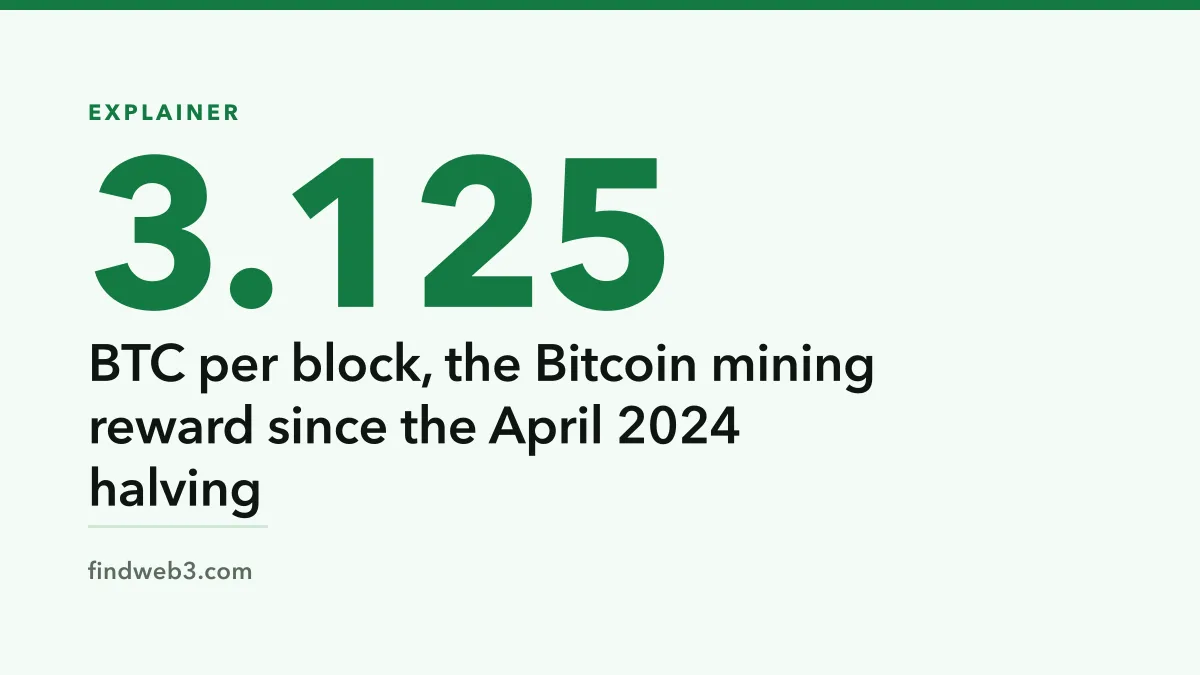
What Is Proof of Work? How Blockchain Mining Works
How mining secures Bitcoin, what a 51% attack would take, and why the halving shapes what miners earn from every block.
Web3 guides, tutorials and career research.
How mining secures Bitcoin, what a 51% attack would take, and why the halving shapes what miners earn from every block.
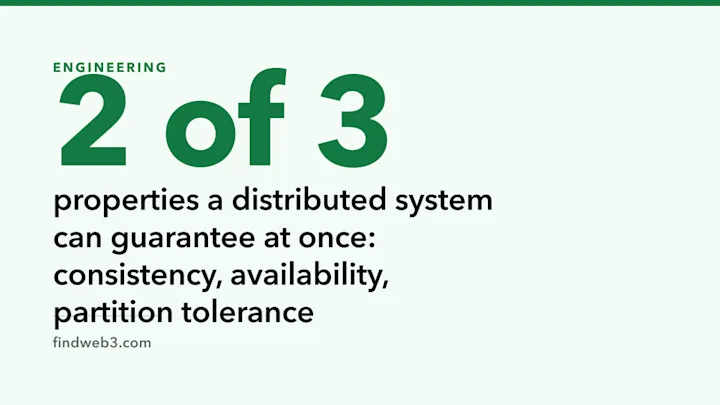
How distributed systems scale and stay available, what the CAP theorem forces you to trade, and which consistency model to pick.
The degrees and programming languages employers look for, how to pick a specialization, and where cryptography roles are advertised.
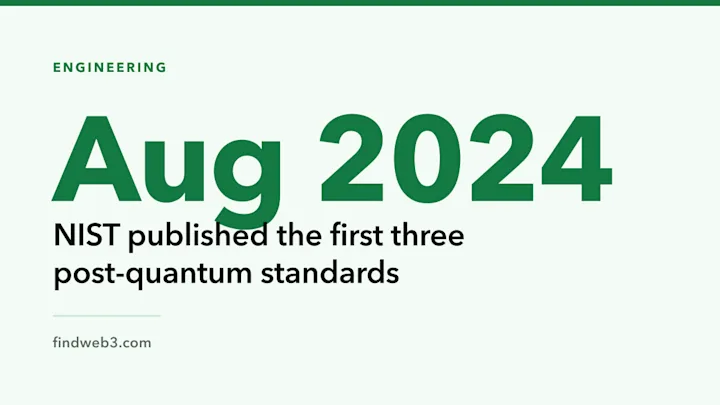
Signal Protocol, TLS, zero-knowledge proofs, post-quantum schemes and key management, with how each works and what to build.
Why ad-led playbooks stall in Web3, how to structure a community people stay in, and which of X, Discord or Reddit fits a project.
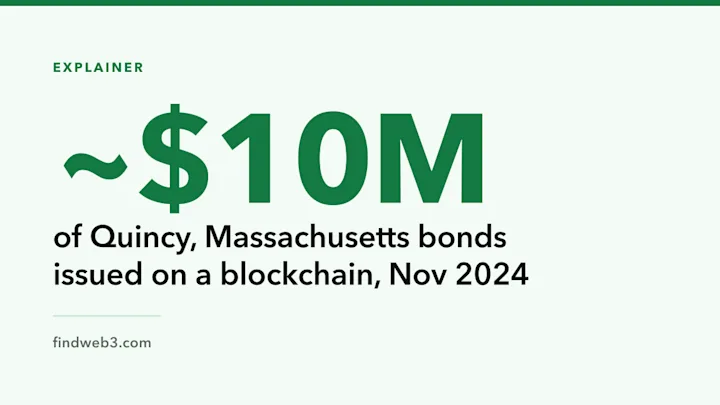
How a shared ledger reaches agreement without a central authority, how public, private and consortium DLTs differ, and where each is used.
How to benchmark Web3 pay, time the ask, anchor a number, and negotiate tokens and equity alongside base salary.
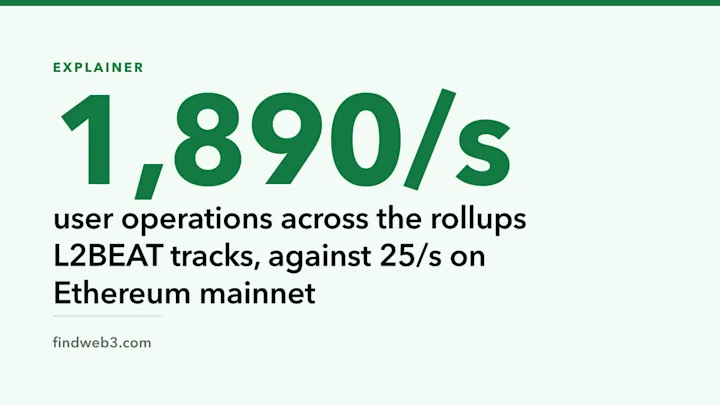
How rollups, state channels and sidechains take load off a base chain, and where optimistic and zero-knowledge rollups differ.
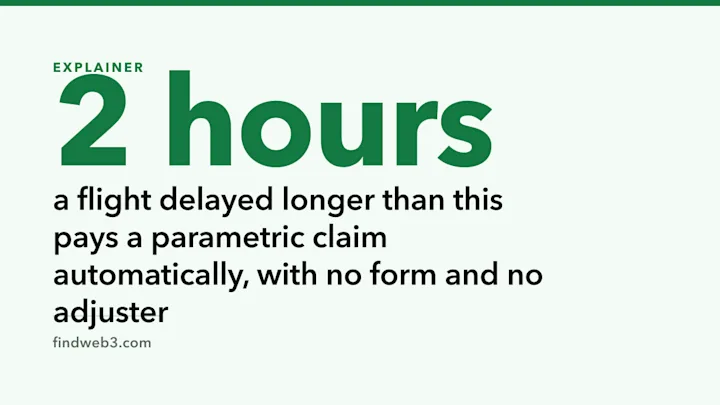
How a smart contract executes itself on a blockchain, how it differs from a written contract, and where industries already use one.
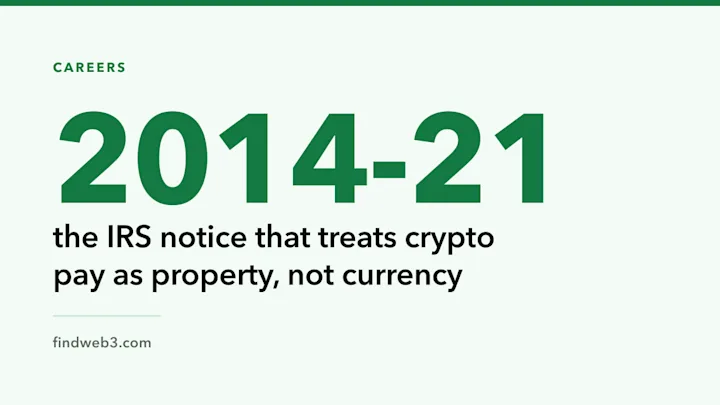
What Web3 contracting pays, how DAO clients and token compensation work, where to find gigs, and the tax and legal side to handle.
Spot technical debt in a dApp, keep a registry of it, prioritize smart contract refactoring, and make the case to stakeholders.
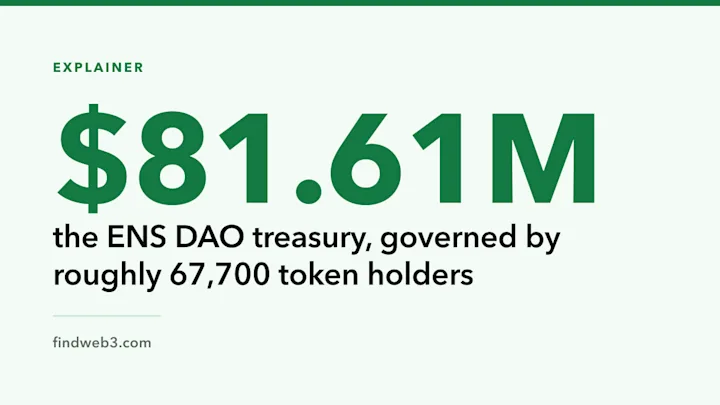
What a DAO is, how a proposal actually passes — forum, Snapshot, on-chain vote, timelock — and where DAO law stands in 2026 after Ooki, Lido and the DUNA statutes.

Mirror the job description's Web3 terms, open with something specific, quantify your work, and address gaps or a career switch head on.
Ten job boards worth checking for Web3 community roles, from Find Web3 and LinkedIn to We Work Remotely and Remotive, and how to search each one.
How to cut DeFi exposure with contract audits, protocol diversification, planned exits, multi-sig custody, insurance and automated monitoring.
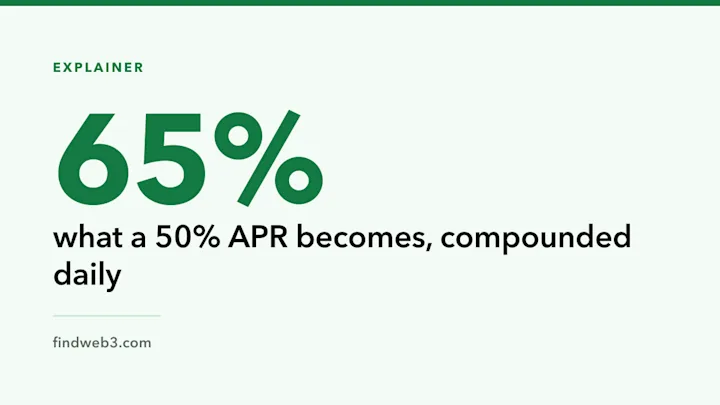
How liquidity pools pay out, what separates APY from APR, why impermanent loss happens, and the steps to stake your first LP tokens.
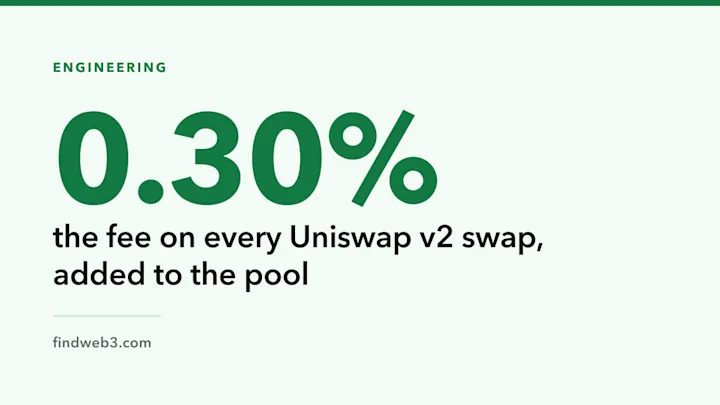
How eight standard contracts work, from ERC-20 tokens and multi-sig wallets to DAOs, AMMs, NFTs, lending pools, staking and escrow.
Set up MetaMask and Sepolia test ETH, compile a contract in Hardhat, write the deployment script and verify the result on Etherscan.
What a blockchain platform actually gives you, how public, private and hybrid chains differ, and a side-by-side look at the leading options.
Profiles of seven Web3 employers, from OpenSea and Coinbase to Immutable and ConsenSys, with what each builds and the roles they hire for.
How token supply, distribution, utility and vesting shape value, plus a framework for judging whether a project's economics hold up.
Reentrancy guards, emergency stops, role-based access control and oracle hardening, plus the tools to test a contract before it ships.
Research the protocol, build STAR stories, run mock interviews, line up your portfolio and references, and plan the logistics of the day.
How the three layers of a decentralized app fit together, from the front end to smart contract logic and on-chain versus off-chain storage.
How lending, trading and yield protocols run on smart contracts instead of banks, why composability matters and where the real risks sit.
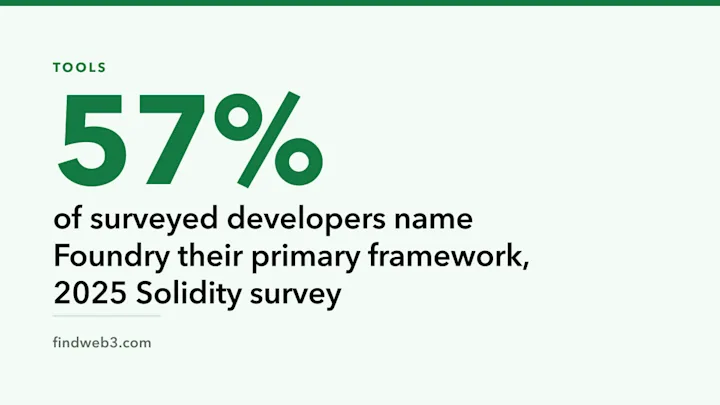
Foundry, Hardhat 3, Remix, viem and the rest, checked against their own sources in September 2026, plus four tools older guides recommend that are now retired.
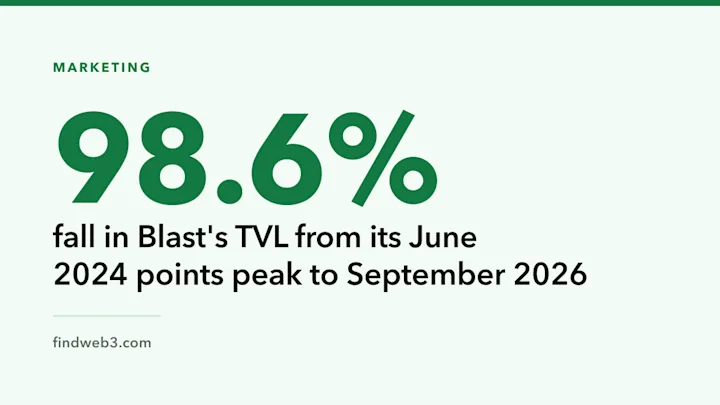
Which channels crypto projects can actually use, what the ad platforms and regulators allow, how to measure growth that lasts, and what marketing hires cost.

Which Web3 roles are actually hiring, the skills employers test for, and how to build a portfolio and reputation that earn interviews.
Presence, spatial affordances, wayfinding in three dimensions and interfaces built into the world, plus how to test what you have built.
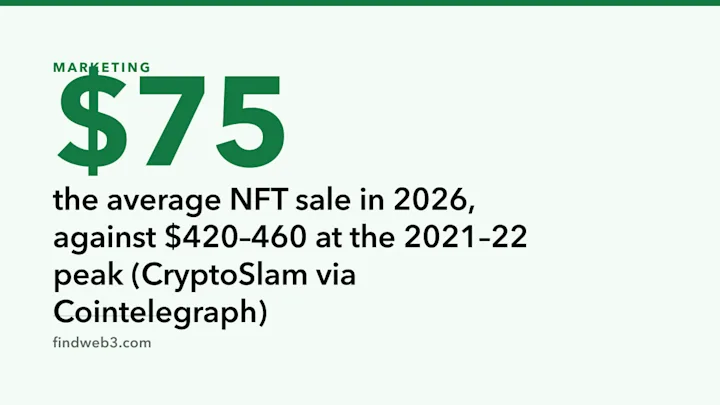
The average NFT sale is now $75, against $420–460 at the 2021–22 peak. What NFT marketing actually works in that market, with every figure sourced and dated.
The languages and tooling Web3 roles expect, a walkthrough of building and deploying a first dApp, then a 90-day plan for the job hunt.
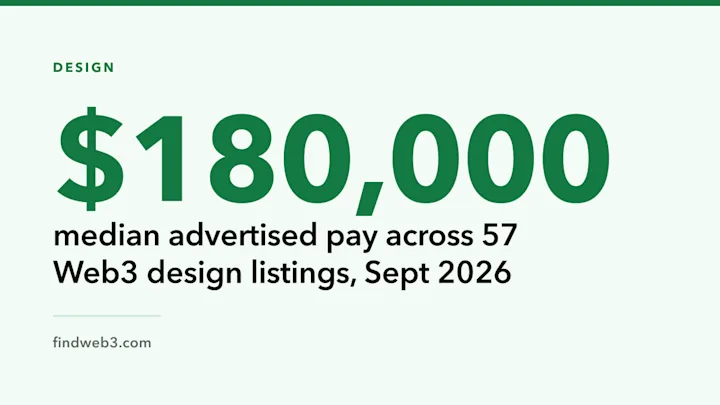
Where Web3 UX departs from Web2: wallet connection flows, gas fees and failed transactions, and how to signal security without scaring users.
What crypto employers name in their own job adverts, how to structure a blockchain developer resume around it, and what applicant tracking systems really do.
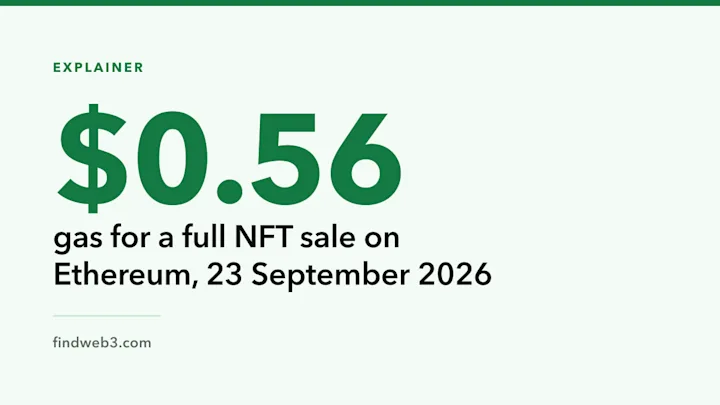
The three transactions that mint a token, which platforms still accept new work, and what the fees actually come to, checked in September 2026.
How decentralized projects change governance, team structure and technology choices, plus token volatility, regulators and energy impact.
What a full audit examines, how layered review and formal verification fit together, and how to choose an auditor and act on the findings.
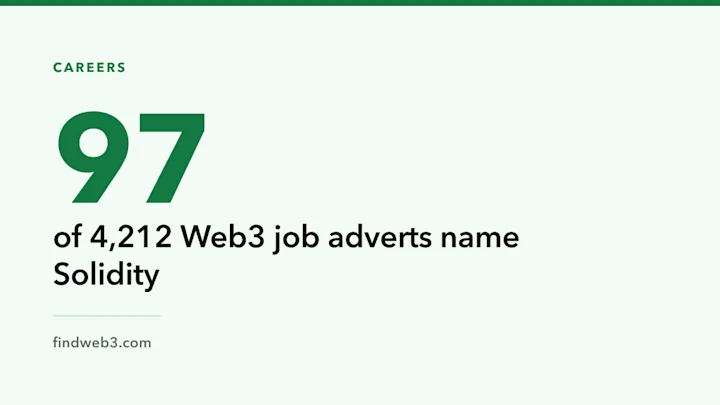
The two developer tracks, the five stages between them and a job, the tooling that has been retired since 2023, and what the roles pay on this board.
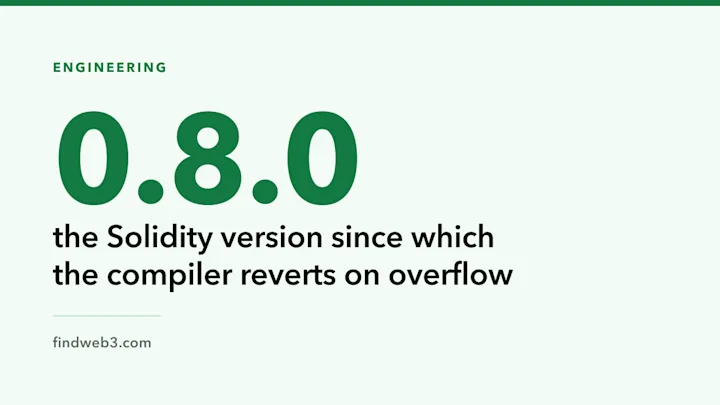
Set up a Solidity environment, learn the value and reference types, then write, test and deploy a first contract to a testnet.
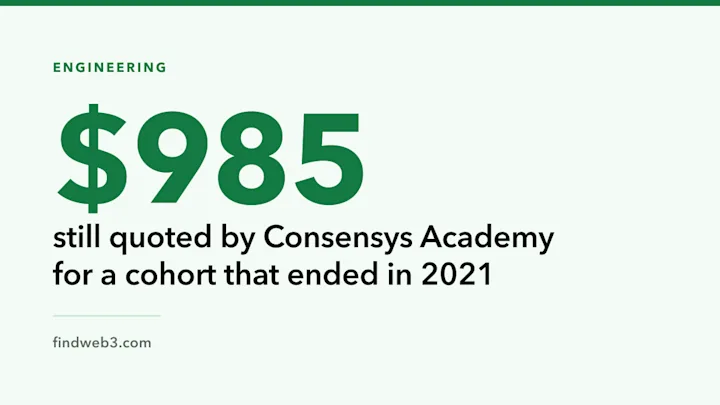
Five Web3 development courses open when we checked in September 2026, what each costs and assumes, and three that lists still recommend but you cannot join.
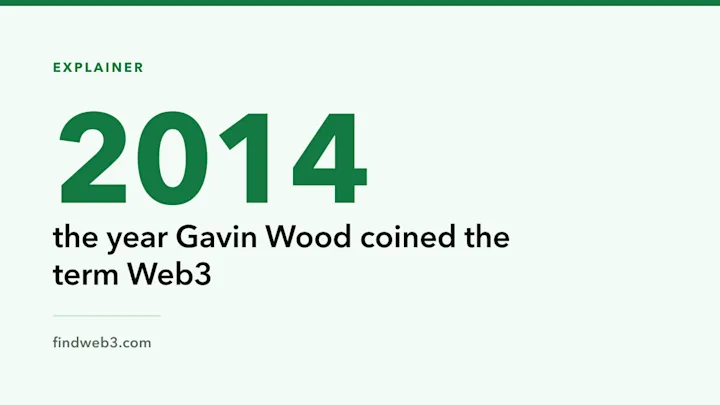
Blockchain is the ledger; Web3 is what gets built on it. Seven differences across architecture, tokens, governance, identity and interoperability.
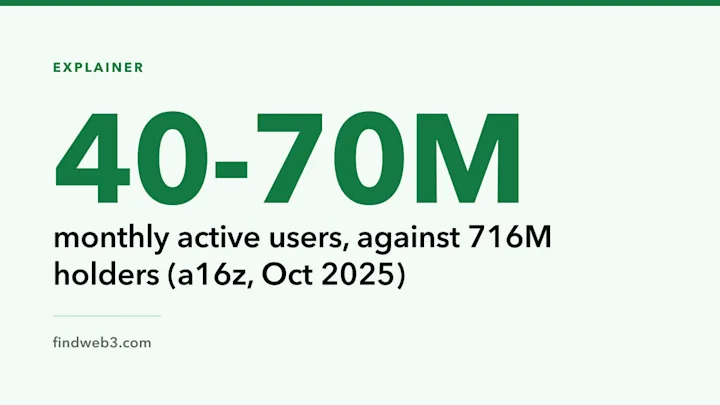
The building blocks behind Web3, from blockchains and smart contracts to decentralized storage and oracles, and what DAOs change about control.
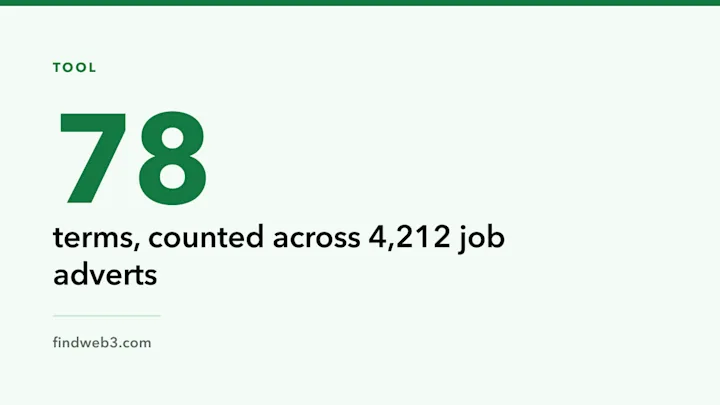
A searchable glossary of 78 crypto and Web3 terms, defined plainly - with how often each one appears in the 4,212 jobs posted on this board in the last year.
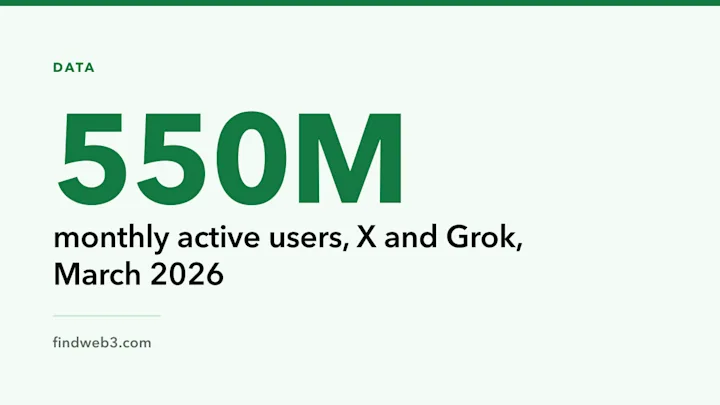
X's figures are in SEC filings for the first time since 2021, now that it sits inside SpaceX: advertising revenue, subscribers, users and losses, each with the date it was filed.
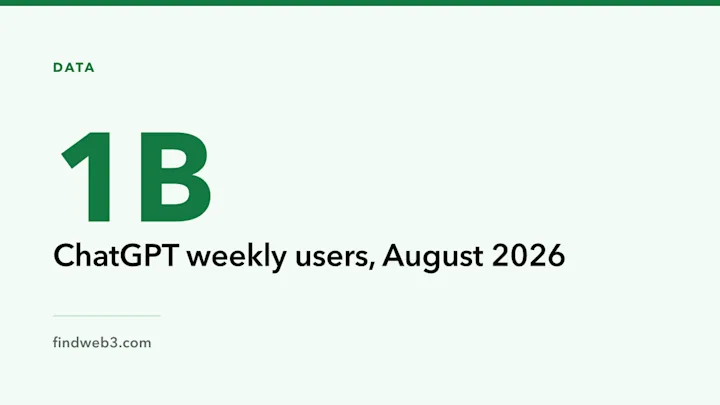
How many people use AI, how many businesses actually do, and where the money goes - from the companies' own statements and the surveys that say who they asked. Every figure dated and sourced.
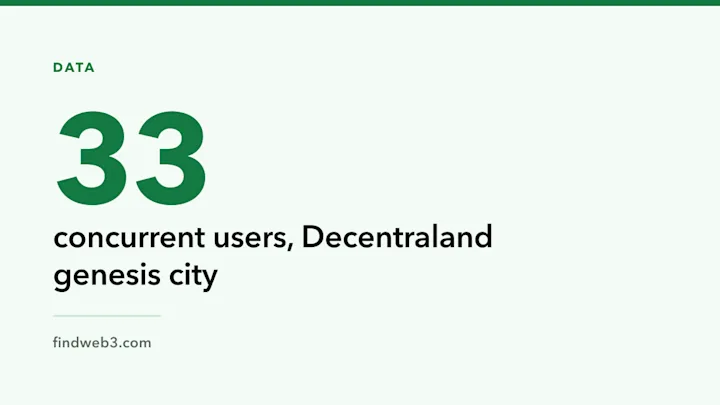
Meta has lost $92.2 billion on it, Decentraland had 33 people in it, and Gartner's prediction for 2026 can now be checked. Every figure from a filing or a live API, dated.
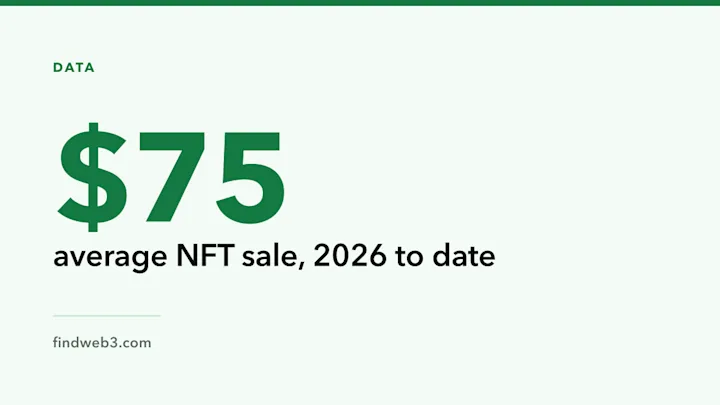
NFT sales are 92% below the 2022 peak, the average sale is $75, and most of the marketplaces have closed. Every figure dated, with a note on which volume measurements can be trusted.
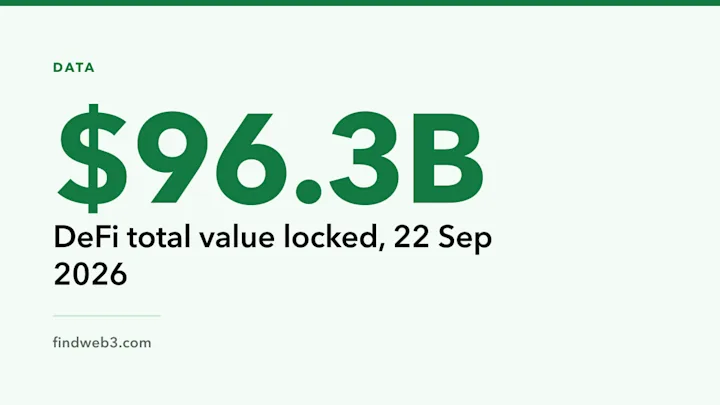
DeFi holds $96.3 billion, 45.7% below its 2021 peak, and TVL is partly a price chart. Every figure pulled from an API on the day, with the caveats the dashboards leave out.
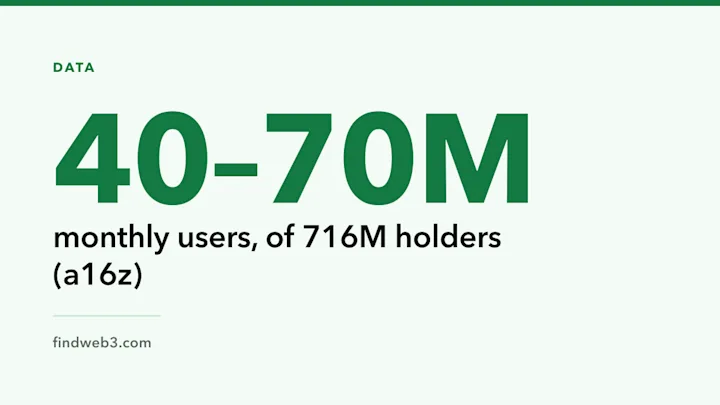
How many people own crypto and how few use it, what happened to Web3 developers and Web3 tokens, and which of the figures in circulation cannot be sourced at all.
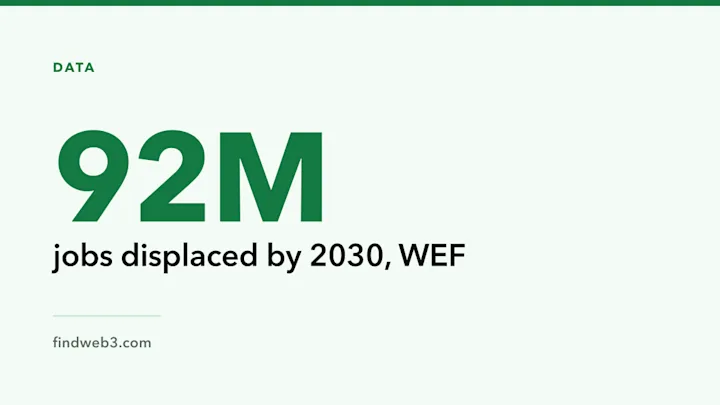
The World Economic Forum expects AI and the other forces reshaping work to displace 92 million jobs by 2030 and create 170 million, a net gain of 78 million. What has actually been measured so far is smaller and stranger than either number.
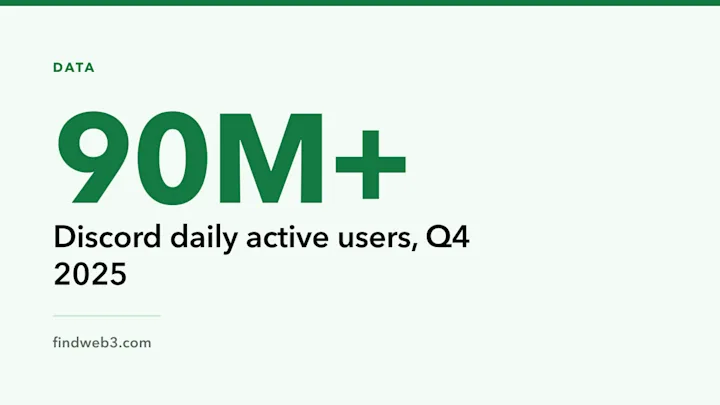
Discord publishes less about itself than it used to. Every figure on this page says who published it and when, and where Discord has stopped saying, this page says that instead of quoting an old number as if it were current.