
Dive into the Thriving NFT Job Market
Looking to launch a career in Web3? This listicle spotlights seven in-demand NFT jobs. Discover opportunities for artists, developers, marketers, managers, legal specialists, security auditors, and business development professionals. Whether you're a seasoned blockchain expert or just starting out, this list provides valuable insights to help you find the perfect NFT job and kickstart your Web3 career.
1. NFT Artist/Creator
One of the most prominent and exciting nft jobs is that of the NFT Artist/Creator. These individuals are the driving force behind the visual and conceptual aspects of the NFT space. They create digital artwork, animations, 3D models, and other digital assets specifically for tokenization as NFTs. This involves conceptualizing, designing, and producing unique digital content that can be sold on various NFT marketplaces. Critically, NFT artists must understand not only artistic principles but also the technical aspects of preparing their files for blockchain minting, a process that registers the work on a distributed ledger and establishes its verifiable ownership. This role offers a powerful new avenue for creative expression and monetization in the digital age.

This nft job requires a blend of artistic talent and technical knowledge. Successful NFT artists possess both the creative vision to produce compelling artwork and the technical skills to navigate the complexities of blockchain technology. This includes understanding file formats, minting processes, and the nuances of different NFT marketplaces. Learn more about NFT Artist/Creator
The rise of NFTs has empowered artists like never before, offering them the freedom to create and monetize original digital content directly, bypassing traditional gatekeepers like galleries and auction houses. This direct connection with collectors fosters community building and allows artists to retain more control over their work. Moreover, many platforms offer the possibility of earning royalties on secondary sales, providing a continuous revenue stream as their NFTs are traded in the market.
Examples of successful NFT artists have become almost legendary in the short history of the field. Beeple (Mike Winkelmann) famously sold his piece "Everydays: The First 5000 Days" for a staggering $69.3 million. Pak's "Merge" collection achieved an even higher mark, selling for $91.8 million. Yam Karkai's World of Women collection became a cultural phenomenon, showcasing the potential for NFTs to reach beyond the art world and into broader social conversations. These examples highlight the potential for significant financial success in the NFT market.
Pros:
- Direct monetization of digital art without traditional gatekeepers.
- Potential for significant earnings through primary sales and royalties.
- Complete creative control over output.
- Ability to prove verifiable ownership and scarcity of digital works.
Cons:
- Highly competitive market with constant innovation required.
- Success often dependent on marketing and self-promotion skills.
- Volatile earnings potential dependent on NFT market conditions.
- Technical learning curve for blockchain and minting processes.
Tips for Aspiring NFT Artists:
- Develop a distinctive style that stands out in the marketplace.
- Build a community around your work through social media engagement.
- Consider creating collections rather than single pieces to enhance narrative and collector interest.
- Learn about gas fees and optimal times for minting to reduce costs.
The NFT Artist/Creator role deserves its place on this list of nft jobs because it represents the core of the NFT ecosystem. These creators are not only producing valuable digital assets but also shaping the future of art and digital ownership. Artists popularizing this career path include Beeple (Mike Winkelmann), Pak, XCOPY, Fewocious, and Yam Karkai. Their success stories inspire a new generation of digital artists to explore the possibilities of NFTs and carve their own path in this rapidly evolving landscape.
2. NFT Developer
NFT Developers are the architects of the non-fungible token (NFT) ecosystem. They are responsible for building the technical infrastructure that allows for the creation, minting, and trading of these unique digital assets. This involves writing smart contracts, developing decentralized applications (dApps), and creating the backend systems that power NFT marketplaces and platforms. A deep understanding of blockchain protocols, particularly Ethereum, is crucial for this role, as is proficiency in smart contract languages like Solidity and web3 integration. These developers bridge the gap between the creative world of NFTs and the complex technical underpinnings that make them possible, making this one of the most crucial nft jobs in the industry.
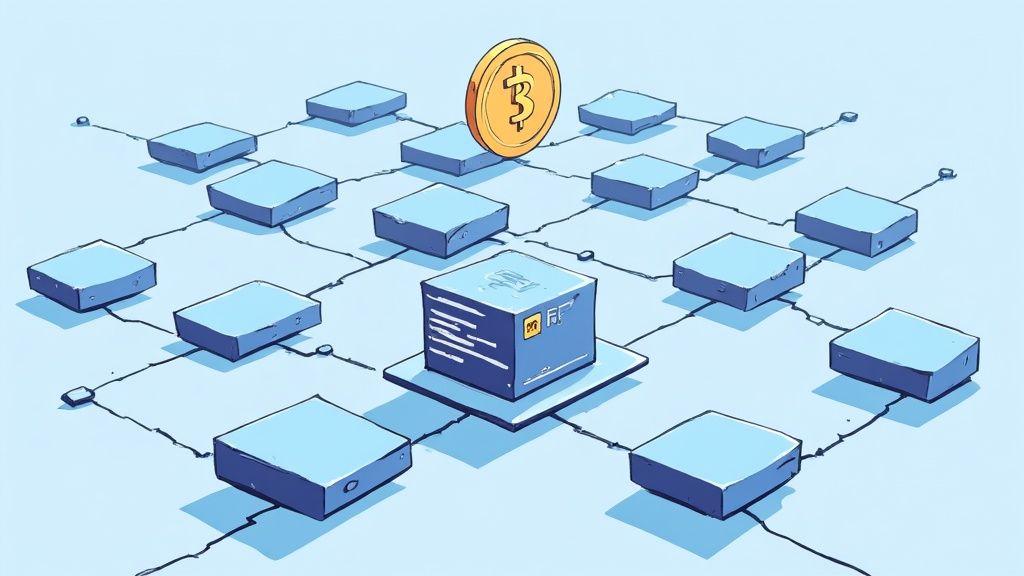
NFT Developers are involved in a wide range of activities, including specialized blockchain and smart contract programming, the creation of custom NFT standards and implementations, the development of minting mechanisms and marketplace functionality, and the integration of wallet connections and transaction handling. They might work on everything from building a new NFT marketplace from the ground up to implementing new features on an existing platform. For instance, the developers at OpenSea built the largest NFT marketplace infrastructure, while the CryptoPunks developers at Larva Labs pioneered on-chain NFT standards, setting the stage for many projects that followed. The developers at Yuga Labs, responsible for the technical infrastructure of the Bored Ape Yacht Club, showcase another successful implementation of this role. Learn more about NFT Developer roles.
This role deserves its place on the list of top NFT jobs due to the high demand for these specialized skills. The burgeoning NFT market has created a significant need for skilled developers, leading to competitive compensation and exciting career prospects. This is a unique opportunity to shape emerging technology standards and contribute to the future of digital ownership.
Pros:
- High demand skills with competitive compensation
- Opportunity to shape emerging technology standards
- Remote work opportunities with global projects
- Potential for equity or token allocation in projects
Cons:
- Rapidly evolving technology requiring continuous learning
- Security vulnerabilities can have significant financial consequences
- Complex debugging and testing requirements
- Regulatory uncertainty affecting development parameters
Tips for Aspiring NFT Developers:
- Master Solidity and ERC standards (ERC-721, ERC-1155).
- Build a portfolio of sample smart contracts on testnets.
- Participate in hackathons to showcase skills and network.
- Stay current on gas optimization techniques to minimize transaction costs.
- Learn about cross-chain interoperability solutions to expand the reach of your projects.
When and why should you pursue this career path? If you have a strong programming background and are passionate about blockchain technology, becoming an NFT Developer offers a rewarding and challenging career. The ability to contribute to cutting-edge technology, coupled with the potential for high earnings and remote work flexibility, makes this a compelling option for those looking to make their mark in the Web3 space. Pioneering figures like Devin Finzer (OpenSea co-founder), Aleksander Larsen (Axie Infinity), and Matt Hall and John Watkinson (Larva Labs) have demonstrated the significant impact NFT developers can have on this evolving landscape.
3. NFT Marketing Specialist
NFT Marketing Specialists are essential players in the world of nft jobs. They develop and execute strategies to promote NFT projects, collections, and marketplaces. Their work bridges the gap between the technical aspects of NFTs and the broader audience that may be interested in buying, selling, or creating them. This involves leveraging a combination of social media, community building, influencer partnerships, and traditional marketing techniques adapted for the Web3 space. Crucially, these professionals need a strong grasp of both conventional marketing principles and the unique dynamics of NFT communities.

The role encompasses a variety of tasks, including Discord and Twitter community management, creating marketing roadmaps for NFT launches, coordinating whitelist/allowlist campaigns, developing tokenomics and utility narratives, and tracking analytics for NFT campaigns. Learn more about NFT Marketing Specialist A successful NFT marketing specialist not only understands how to market a product, but also how to cultivate a vibrant and engaged community around it. This community becomes integral to the project's success, fostering a sense of ownership and shared value among its members.
Examples of successful NFT marketing abound. The marketing team behind Moonbirds orchestrated a highly successful launch by leveraging exclusive access and building anticipation. Yuga Labs' marketing for the Bored Ape Yacht Club created an aspirational community that extended beyond the digital realm, impacting popular culture. Similarly, the successful marketing of NBA Top Shot reframed sports collectibles through the lens of NFTs, attracting both seasoned collectors and new audiences.
Pros:
- Growing demand: As the NFT space expands, projects increasingly compete for attention, creating high demand for skilled marketers.
- Innovation and creativity: The role offers the opportunity to work with cutting-edge technologies and collaborate with creative teams.
- Transferable skills: Marketing skills developed in the NFT space are transferable across various NFT categories, from art and gaming to the metaverse.
- Performance-based compensation: Many NFT marketing roles include performance-based compensation, allowing specialists to directly benefit from successful campaigns.
Cons:
- Burnout risk: 24/7 community management can be demanding and lead to burnout.
- Rapid evolution: Best practices and platforms are constantly changing, requiring continuous learning and adaptation.
- Market downturns: Managing community expectations during market downturns can be challenging.
- Reputational risks: The success or failure of a project can significantly impact the reputation of the associated marketing team.
Tips for Aspiring NFT Marketing Specialists:
- Focus on authenticity: Build genuine community engagement rather than relying on hype.
- Clear value proposition: Articulate a clear value proposition beyond speculative potential.
- Strategic partnerships: Develop partnerships with aligned brands and communities.
- Leverage Discord: Understand and leverage Discord for community building and management.
- Educational content: Create educational content to onboard new users and explain complex concepts.
Popular figures in the NFT marketing space, like Frank DeGods (DeGods), GMONEY, and Farokh Sarmad, have demonstrated the power of effective community building and innovative marketing strategies. The NFT space is constantly evolving, and so are the marketing strategies used to promote projects. For those interested in exploring the broader digital marketing landscape within Web3, consider these social media marketing jobs for insights into current trends and opportunities. Source: Top Social Media Marketing Jobs in 2025 | Careers & Salaries from Influencer Marketing Jobs With the right combination of skills and knowledge, NFT marketing specialists can play a crucial role in shaping the future of this exciting industry.
4. NFT Project Manager
NFT Project Managers are the orchestrators of the NFT world, responsible for shepherding projects from initial concept to successful launch and beyond. They act as the central hub, coordinating diverse teams – artists, developers, and marketers – ensuring everyone works in concert to achieve the project's vision. These professionals bridge the creative and technical realms, managing budgets, adhering to timelines, and setting the overall strategic direction. This makes it a highly sought-after role among nft jobs.

An NFT Project Manager's responsibilities span the entire project lifecycle. This includes end-to-end project management for NFT launches, meticulous coordination between artists, developers, and marketing teams, planning and executing smart contract deployments, and implementing the post-launch roadmap, including vital community engagement. They are essentially the conductors of a complex orchestra, ensuring each section plays its part harmoniously.
Examples of successful NFT project management can be seen in projects like Doodles, where project managers oversee the expansion of their vibrant NFT ecosystem. The success of Adidas' "Into the Metaverse" NFT project also highlights the importance of skilled project management. Similarly, the smooth operation of generative art platforms like Art Blocks relies heavily on the leadership and coordination provided by project managers. These examples showcase the crucial role project managers play in driving some of the most recognizable projects within the NFT space.
Features of this NFT Job:
- End-to-end project lifecycle management for NFT launches
- Coordination between artists, developers, and marketing teams
- Smart contract deployment planning and execution
- Post-launch roadmap implementation and community engagement
Pros:
- High-level role with significant responsibility and compensation
- Opportunity to shape innovative projects from conception to launch
- Development of broad expertise across creative and technical domains
- Exposure to diverse aspects of the NFT ecosystem
Cons:
- High-pressure role with accountability for project success
- Complex stakeholder management between founders, team, and community
- Technical challenges requiring rapid problem-solving
- Market volatility affecting project plans and expectations
Tips for Aspiring NFT Project Managers:
- Develop both technical and creative understanding of NFTs. This includes understanding blockchain technology, smart contracts, and the artistic aspects of NFT creation.
- Create detailed launch plans with contingencies for technical issues and market fluctuations.
- Implement clear communication channels between team members to ensure everyone is on the same page.
- Prioritize security audits and testing before launches to minimize risks.
- Build flexibility into roadmaps to adapt to the ever-changing market conditions.
When and why to pursue this role:
This role is ideal for individuals with strong organizational and leadership skills, a passion for NFTs, and a desire to be at the forefront of innovation. If you thrive in fast-paced environments, enjoy managing complex projects, and possess a blend of creative and technical acumen, then NFT Project Management could be the perfect nft job for you. Individuals popularizing this role include Julian Holguin (Doodles CEO), Nicole Muniz (Yuga Labs CEO), and Erick Calderon (Art Blocks founder). Their leadership and expertise highlight the growing demand and importance of skilled NFT Project Managers in this dynamic and evolving space.
5. NFT Legal Specialist
The burgeoning NFT market presents unique legal challenges, creating a high demand for NFT Legal Specialists. This rapidly evolving field within the broader scope of NFT jobs requires professionals who can bridge the gap between traditional legal frameworks and the decentralized world of blockchain technology. NFT Legal Specialists provide expert guidance on intellectual property rights, copyright law, licensing agreements, regulatory compliance, and contract development specific to NFTs. They help projects navigate the often-turbulent waters of digital ownership and blockchain assets, ensuring compliance and mitigating legal risks. This makes it a critical area for anyone considering NFT jobs.
What does an NFT Legal Specialist do?
These specialized attorneys focus on the intricate legal implications of NFTs, including:
- Development of NFT licensing agreements and terms of service: Clearly defining the rights and limitations associated with NFT ownership is crucial. This includes specifying usage rights, commercialization possibilities, and the scope of ownership transfer.
- IP rights protection and transfer mechanisms: Protecting the intellectual property underlying NFTs is paramount. Legal specialists help creators secure and manage their IP rights within the NFT ecosystem, including establishing clear mechanisms for ownership transfer and enforcement.
- Smart contract legal review and compliance verification: Smart contracts are the backbone of NFT transactions. Legal specialists review these contracts to ensure they are legally sound, compliant with relevant regulations, and effectively represent the intended agreement between parties.
- Regulatory analysis for different jurisdictions: The regulatory landscape for NFTs varies significantly across the globe. NFT Legal Specialists keep abreast of these evolving regulations and advise clients on navigating jurisdictional differences.
- Legal structuring of DAO and community ownership models: Decentralized Autonomous Organizations (DAOs) and community ownership models present unique legal considerations. Specialists help structure these entities in a legally compliant manner, addressing issues like governance, liability, and intellectual property management.
Examples of NFT Legal Specialists in Action:
- The legal team at Dapper Labs played a crucial role in developing the legal framework for NBA Top Shot, a highly successful NFT marketplace.
- Attorneys are increasingly involved in developing Creative Commons Zero (CC0) implementation for NFT projects, allowing creators to relinquish copyright and foster a more open ecosystem.
- Legal advisors at prominent auction houses like Christie's and Sotheby's have been instrumental in navigating the legal complexities of high-profile NFT auctions.
Pros and Cons of a Career as an NFT Legal Specialist:
Pros:
- Highly specialized expertise with premium compensation: The demand for this niche expertise commands competitive salaries and lucrative career opportunities within the NFT jobs market.
- Pioneering legal frameworks in an emerging field: Be at the forefront of shaping the legal landscape for a transformative technology.
- Diverse client base from individual artists to major corporations: Work with a wide range of clients, from independent creators to established businesses navigating the NFT space.
- Intellectual challenge of applying traditional law to new technology: This field offers a unique intellectual stimulation, requiring innovative thinking and problem-solving.
Cons:
- Lack of clear precedent in many NFT legal scenarios: The novelty of NFTs means there's limited legal precedent to guide decision-making.
- Navigating conflicting regulatory approaches across jurisdictions: The global nature of NFTs necessitates understanding and reconciling diverse regulatory frameworks.
- Rapid technological changes requiring continuous education: Staying up-to-date with the fast-paced evolution of blockchain technology is crucial.
- Balancing decentralization ideals with legal requirements: Reconciling the decentralized nature of blockchain with existing legal structures can be challenging.
Tips for Aspiring NFT Legal Specialists:
- Develop a deep understanding of both copyright law and blockchain technology.
- Create clear terms of service that explicitly communicate the rights conveyed by NFT ownership.
- Stay current on regulatory developments across major markets.
- Carefully consider jurisdictional issues in global NFT transactions.
- Develop clear frameworks for secondary sales and royalties.
Influential Figures:
Key figures like Brian Frye (law professor advocating for NFT legal frameworks), Gabriel Shapiro (crypto legal expert), and Andrew Hinkes (digital asset attorney) have been instrumental in shaping the legal discourse surrounding NFTs.
This role's blend of legal expertise and blockchain knowledge is essential for the sustainable growth of the NFT market. As the industry continues to mature, the demand for skilled NFT Legal Specialists will only intensify, making it a promising avenue for those seeking a challenging and rewarding career within the dynamic landscape of NFT jobs.
6. NFT Security Auditor
The explosive growth of the NFT market has brought with it a corresponding increase in security risks. This makes the role of the NFT Security Auditor a critical one in the burgeoning Web3 space, securing its rightful place among the top NFT jobs. These specialists act as the guardians of digital assets, protecting NFT projects and their users from potentially devastating financial losses. If you’re looking for NFT jobs that combine blockchain expertise with cybersecurity skills, this could be the perfect fit.
NFT Security Auditors evaluate the security of smart contracts, the platforms on which they operate, and the underlying protocols. Their work involves a range of activities including:
- Smart contract code auditing and vulnerability detection: meticulously reviewing code for potential exploits.
- Security architecture review for NFT platforms: assessing the overall security design of marketplaces and other platforms.
- Penetration testing of minting and marketplace infrastructure: simulating real-world attacks to identify weaknesses.
- Analysis of potential attack vectors and mitigation strategies: proactively identifying and addressing potential threats.
- Post-incident security analysis and remediation: investigating security breaches and implementing fixes to prevent future occurrences.
Examples of successful implementation:
- Security auditors at firms like OpenZeppelin and CertiK regularly review major NFT projects, ensuring the safety of millions of dollars worth of digital assets.
- Independent security researchers frequently identify vulnerabilities in marketplace contracts, contributing significantly to the overall security of the ecosystem.
- White hat hackers participate in bug bounty programs for NFT platforms, earning rewards for responsibly disclosing vulnerabilities.
Pros:
- Critical role with high demand and compensation: The increasing need for security in the NFT space translates into high demand and competitive salaries for skilled auditors.
- Technical challenges requiring specialized expertise: This role provides intellectually stimulating work for those passionate about blockchain technology and cybersecurity.
- Prevention of potentially catastrophic financial losses: The work of security auditors directly contributes to preventing hacks and exploits that could cost millions.
- Reputation development through successful security work: Building a reputation for identifying and mitigating vulnerabilities can lead to increased recognition and career opportunities.
Cons:
- High-stakes responsibility with significant pressure: The responsibility of protecting substantial assets can be stressful.
- Constant evolution of attack vectors requiring vigilance: The ever-changing landscape of cybersecurity threats requires continuous learning and adaptation.
- Detailed technical work requiring extreme attention to detail: This role demands meticulous attention to detail and a deep understanding of complex technical concepts.
- Projects sometimes resistant to addressing vulnerabilities: Not all projects are receptive to feedback on security vulnerabilities, which can be frustrating for auditors.
Tips for aspiring NFT Security Auditors:
- Develop expertise in common NFT contract vulnerabilities: Familiarize yourself with known attack vectors and vulnerabilities like reentrancy attacks, integer overflows, and logic errors.
- Create comprehensive audit methodologies specific to different NFT standards: Develop structured approaches for auditing contracts built on different standards like ERC-721 and ERC-1155.
- Stay updated on recent exploits and attack patterns: Keep abreast of the latest security breaches and emerging threats to stay ahead of the curve.
- Maintain clear documentation and reporting standards: Clear and concise documentation is crucial for effective communication with development teams.
- Build relationships with development teams for responsive remediation: Foster positive relationships with developers to ensure that identified vulnerabilities are addressed promptly.
Popularized By: Influential figures like samczsun (legendary Ethereum security researcher), Mudit Gupta (security researcher), and teams at Trail of Bits, OpenZeppelin, and CertiK have significantly contributed to raising awareness about the importance of NFT security and professionalizing the field.
This NFT job is not just a technical role, it's a crucial function within the Web3 ecosystem. By safeguarding digital assets and user funds, NFT Security Auditors play a vital part in ensuring the long-term health and sustainability of the NFT market. If you're seeking a challenging and rewarding career in this exciting field, pursuing a path as an NFT Security Auditor is undoubtedly worth considering.
7. NFT Business Development Manager
For those with a knack for forging partnerships and a deep understanding of the NFT landscape, becoming an NFT Business Development Manager can be a lucrative and impactful career path within the burgeoning Web3 space. This role is crucial for the continued growth of the NFT ecosystem, bridging the gap between traditional businesses and the exciting world of digital assets. This makes it a highly sought-after position among nft jobs.
NFT Business Development Managers are essentially the architects of strategic collaborations within the NFT space. They connect NFT platforms, brands, creators, and other key players to unlock new opportunities and revenue streams. Their work involves identifying synergistic partnerships, negotiating deals, and facilitating integrations that benefit all parties involved. They blend traditional business development acumen with specialized knowledge of NFTs, blockchain technology, and the unique dynamics of the Web3 market.
How it Works:
The core function of an NFT Business Development Manager revolves around relationship building and deal-making. They actively pursue outreach to brands, celebrities, and intellectual property (IP) holders to explore potential NFT ventures. This might involve presenting proposals for NFT collections, licensing agreements, or integration of existing IP into metaverse platforms. They are also responsible for developing cross-platform partnerships and integrations, ensuring seamless interoperability between different NFT ecosystems. A significant part of their role involves structuring revenue-sharing models and collaboration frameworks that are mutually beneficial and sustainable. Finally, they often serve as strategic advisors for traditional companies looking to enter the NFT market, providing expert guidance on navigating this complex landscape.
Examples of Successful Implementation:
Several successful NFT projects owe their growth, in part, to effective business development strategies. For instance, the business development teams at The Sandbox have secured major brand partnerships with companies like Adidas, Atari, and Snoop Dogg, significantly expanding the platform's reach and appeal. Similarly, relationship managers at Polygon have been instrumental in bringing enterprise clients into the NFT ecosystem, demonstrating the technology's potential for real-world applications. The success of platforms like VeVe, which features licensed digital collectibles from major IP holders like Disney, showcases the power of strategic partnerships driven by effective business development. These examples highlight the increasing demand for skilled professionals in nft jobs focused on business development.
Pros:
- Blend of creative and business domains: This role offers a stimulating mix of creative problem-solving and strategic business thinking.
- Opportunity to connect traditional industries with Web3: Be at the forefront of innovation, bridging the gap between established businesses and the exciting possibilities of Web3.
- High earning potential through commission structures: Many Business Development Manager roles offer performance-based incentives, leading to significant earning potential.
- Diverse work with various brands and projects: Engage with a wide range of industries and projects, keeping the work dynamic and engaging.
Cons:
- Long sales cycles for major partnership deals: Securing significant partnerships can be a time-consuming process requiring patience and persistence.
- Educational component required for traditional brands: Onboarding traditional companies often requires significant educational efforts to explain the intricacies of NFTs and blockchain technology.
- Market volatility affecting partner interest: Fluctuations in the NFT market can impact partner enthusiasm and willingness to invest.
- Complex deal structures requiring detailed negotiation: Negotiating partnership agreements can be complex, demanding strong negotiation skills and attention to detail.
Tips for Success:
- Develop a deep understanding of both NFT technology and traditional business needs: Become fluent in the technical aspects of NFTs as well as the specific needs and challenges of different industries.
- Create clear value propositions tailored to different industry verticals: Craft compelling pitches that resonate with the target audience and clearly articulate the benefits of NFT integration.
- Build educational resources to onboard traditional brands: Develop accessible educational materials to help traditional companies understand the value and potential of NFTs.
- Structure deals with flexible terms reflecting market volatility: Account for market fluctuations by incorporating flexible terms and conditions into partnership agreements.
- Focus on long-term relationship building rather than quick deals: Prioritize building strong, sustainable relationships with partners to ensure long-term success.
Popularized By: Key figures like Sebastien Borget (The Sandbox), Ryan Wyatt (Polygon Studios), and Caty Tedman (Dapper Labs, NBA Top Shot) have demonstrated the importance of strategic business development in the NFT space.
The role of an NFT Business Development Manager is essential for driving growth and adoption within the NFT ecosystem. By connecting disparate players and facilitating mutually beneficial collaborations, these professionals are shaping the future of digital ownership and unlocking new possibilities for businesses and creators alike. If you possess a blend of business acumen, technical understanding, and a passion for the transformative potential of NFTs, this nft job might be the perfect fit for you.
NFT Job Roles Comparison Matrix
| Role | Implementation Complexity 🔄 | Resource Requirements 💡 | Expected Outcomes 📊 | Ideal Use Cases 💡 | Key Advantages ⭐ |
|---|---|---|---|---|---|
| NFT Artist/Creator | Medium; requires artistic & technical skills | Moderate; digital tools, blockchain knowledge | Unique digital assets with verifiable scarcity | Creating original digital art for NFT markets | Direct monetization, royalties, creative control |
| NFT Developer | High; requires deep blockchain & smart contract expertise | High; coding environment, testing, security tools | Technical infrastructure for NFT minting/trading | Building NFT platforms, smart contracts | High demand skills, shaping emerging tech |
| NFT Marketing Specialist | Medium; managing communities and campaigns | Moderate; social media, analytics tools | Increased project visibility and community engagement | Promoting NFT launches and collections | Growing demand, cross-category skill transfer |
| NFT Project Manager | High; coordinating cross-functional teams and timelines | High; team management, project resources | Successful NFT project launches, roadmap execution | Overseeing NFT project lifecycles | Broad expertise, high responsibility |
| NFT Legal Specialist | High; navigating complex, evolving laws | Moderate; legal research, compliance resources | Clear legal frameworks, minimized regulatory risks | Legal counsel for NFT IP, contracts, compliance | Premium compensation, legal innovation |
| NFT Security Auditor | Very high; detailed code audit & penetration testing | High; security tools, blockchain expertise | Secure smart contracts, prevented exploits | Auditing NFT smart contracts and platforms | Critical role, high compensation, reputational gain |
| NFT Business Development Manager | Medium-High; strategic partnerships and negotiations | Moderate-High; networking, negotiation tools | New revenue streams, strategic collaborations | Connecting NFT platforms with brands/partners | Blend of business & NFT knowledge, high earning potential |
Launch Your NFT Career with Find Web3
The NFT space is brimming with opportunity, offering a diverse range of career paths for creatives, technologists, and business professionals alike. From crafting unique digital art as an NFT Artist to ensuring the security of smart contracts as an NFT Security Auditor, and orchestrating entire projects as an NFT Project Manager, the roles we've explored demonstrate the breadth and depth of nft jobs available. Mastering the skills required for these roles, whether it's technical expertise in blockchain development or a keen understanding of NFT marketing and community building, can unlock a rewarding career at the forefront of innovation. This translates to not only personal growth and exciting projects but also contributing to the evolution of the internet and digital ownership as we know it.
As you can see, the world of NFT jobs is vast and constantly evolving. Whether you're a seasoned blockchain developer, a creative designer, or just starting your journey in Web3, understanding the landscape of these roles is crucial for navigating this exciting new frontier. These opportunities represent more than just jobs; they're entry points into a community shaping the future of digital ownership and interaction. Ready to explore the diverse landscape of nft jobs and find your perfect fit? Kickstart your Web3 career search with Find Web3, the leading platform connecting talent with top companies in the blockchain and NFT space. Visit Find Web3 today and discover your dream role in the exciting world of NFTs.